1968 — 1977
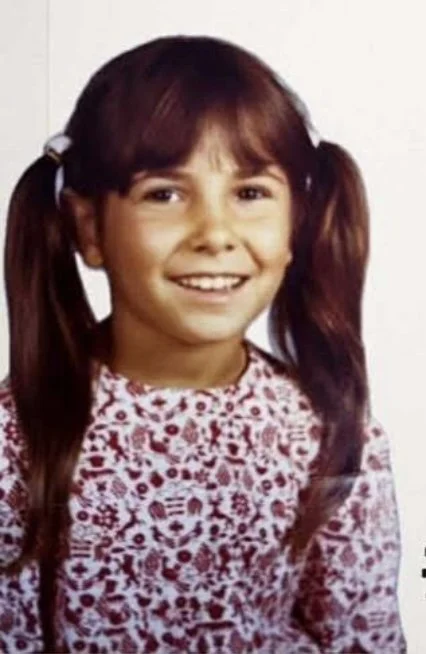
On the warm evening of June 22, 1977, the quiet town of Monroe, Connecticut changed forever.
Eight-year-old Renee Freer, a bright and joyful little girl, was brutally murdered in the woods behind her home —on a small, dead-end street called Williams Drive.
Williams Drive was the heart of childhood in Monroe—a short stretch of road surrounded by thick woods where every child knew one another. It was the kind of neighborhood where kids played outdoors until dark, riding their bikes, playing ball in the street, and building forts in the woods. A place where safety felt certain and community ran deep. Until that night shattered it all.
The Last Time Anyone Saw Renee:
Renee was last seen at approximately 6:30 p.m. that evening.
She had just eaten dinner at home, then delivered fresh strawberries to a neighbor — a simple, kind gesture that perfectly reflected her sweet and gentle spirit. Afterward, she dropped off her little brother to play at a friend’s house nearby. It was the night before the last day of school prior to summer vacation. The neighbor children were still outside laughing and playing as the sun dipped below the trees.
When Renee didn’t return home, her mother grew worried. Around 8:00 p.m., neighbors, parents, and local kids joined in to search the area, calling her name through the woods and yards along Williams Drive. As darkness began to fall and concern turned to fear, the police were called. The search intensified.
Tragically, later that night, Renee’s body was found in the woods behind her home. She had been bludgeoned with an eight-pound rock to her head and face. Her life — full of promise and innocence — was stolen in an instant.
Early leads pointed to a local adolescent boy who knew Renee, but in 1977, forensic science was still in its infancy. Without DNA testing or modern investigative tools, there was never enough evidence to prosecute. Her murder has haunted Monroe for nearly five decades….. a wound that never healed, a question that has never been answered.
Community That Refused to Forget:
Over the years, Renee’s body has been exhumed twice as investigators sought new answers through advancing technology. Still, no one has ever been held accountable. Those who searched for her that night are now in their 50s and 60s; many adults who once combed the woods are aging or gone. Yet the community’s love for Renee and its demand for justice has never faded.
In December 2024, author Erik C. Hansen reignited public attention with his book Dead- End Road, inspiring a groundswell of action. While researching his book, he also created a Facebook group to involve friends, family and community members. In April 2025, one of Renee’s family members launched a separate Facebook group called Justice for Renee Freer. Originally private, it became a public group on November 1, 2025, and in just a few months, it has grown to nearly 1,000 members, uniting friends, neighbors, and advocates determined to see this case solved and justice served.
Since then, vigils have been held. A community-funded billboard now bears Renee’s name. True-crime podcasts, national media outlets like Dateline NBC, and platforms such as Solvethecrime.org have shared her story. The State of Connecticut continues to offer a $50,000 reward for information leading to a conviction.
For the first time in decades, it felt like justice was within reach.
A Heartbreaking Setback:
But on September 18, 2025, hope was shattered once again.
The Connecticut State’s Attorney denied an arrest warrant for the individual long believed to be responsible for Renee’s murder citing archaic state laws that protect offenders under the age of 14 from being charged with murder, and a five-year statute of limitations that prevents prosecution for manslaughter.
Forty-eight years of hope, prayers, and relentless commitment to justice were crushed in a single decision.
For Renee’s family, friends, and the Monroe community, the pain was indescribable. How can justice have an expiration date? How can laws meant to serve fairness instead protect the guilty?
It was a devastating blow — but it was not the end.
Justice Should Never Expire:
Renee’s story is more than a cold case; it’s a cry for justice and a call for action.
It’s about a little girl who never got to grow up and whose laughter was stolen. A mother who died still searching for answers that never came. A family torn apart by grief that never healed and left to carry the weight of silence and loss. Friends who learned too young what it means for innocence to die. And a community that refuses to let her memory fade into silence.
Renee’s story isn’t just about what was taken, it’s about what still needs to be found: the truth.
The fight for justice continues, not only for Renee, but for every victim whose voice has been silenced by outdated laws and indifference.
Nearly fifty years later, someone still knows the truth. And we will not stop until that truth is heard, until accountability is demanded, and until justice for Renee Freer is finally delivered.
Because justice should never expire.